
As we start the second quarter of 2026, the tone of the E&S commercial P&C sector continues to deviate from a year ago with increasing pricing pressure and robust competition. Many stories persist from 2025 including the adoption and implementation of AI, litigation challenges in casualty, and a softening property market. Insurance companies experienced extremely strong profitability and returns in 2025 with many companies exceeding earnings expectations. However, AM Best revised its market segment outlook on US E&S from positive to stable at the end of the year.
Let’s take a closer look at what this means for commercial P&C as we make our way through 2026.
 Property
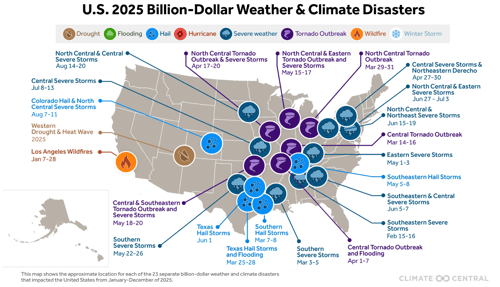
We have all seen continued softening in the property insurance market leading into 2026 Q2. Ryan Specialty’s Pat Ryan described the current property insurance market as “one of the most volatile” he has seen in his 60 plus years in the industry. According to both Aon and Gallagher Re, US property catastrophe reinsurance rates dropped double digits (anywhere between 10-25%) for 4/1 renewals. This softening is due to several factors including an abundance of capacity, a benign 2025 cat season and weather events, and increased competition from third party capital. 2026 has been relatively quiet regarding severe convective storm (SCS) losses. Several reinsurers reported that January and February losses remained below $1B but the wind picked up in March. The Midwest was hit with several large hail and tornado events in March bringing losses in “low to mid-single digit billions” according to Gallagher and Aon. These brokers noted that nearly 75% of insured SCS losses occur in the timeframe between March and June so time will tell how Spring 2026 events will play out and affect the market as we approach hurricane season. Despite a softer market and more favorable rate environment for buyers, the E&S segment of the insurance market continues to grow. According to the WSIA 2025 mid-year report, surplus lines premiums rose 13.2% year over year. In March of 2026, the combined surplus lines premium for the top three states (TX, FL and CA) grew by 11%. These dynamics point to a slightly uncertain outlook for E&S commercial property, but as the industry continues to grow, the demand for surplus lines property solutions is likely to remain high.
Casualty
For casualty business, economic and social inflation continue to produce challenges. While casualty capacity is broadly available, carriers are striving to keep underwriting discipline intact in reaction to social inflation, rising claim severity, and nuclear verdicts, which continue to drive adverse loss development. Carriers remain cautious on attachment points, limit deployment, and class‑specific appetite, particularly in construction, habitational, hospitality, transportation, and auto liability exposures. Liability carriers continue to tighten underwriting guidelines and seek targeted rate increases in response to these trends. However, in the small P&C binding space, the need to apply package credits driven by softening property rates and heightened competition for desirable general liability classes has limited the effectiveness of casualty rate strengthening in some instances. Meanwhile, insurance advocacy groups and trade associations, including the APCIA, continue to push for legal system reform aimed at curbing third‑party litigation funding and broader legal system abuse. Georgia and Florida are notable examples of states that have enacted legislation to reduce frivolous lawsuits, and the APCIA plans to focus on an additional 12 states in 2026 where further reform opportunities are anticipated. Concerns over PFAS litigation, sexual / physical abuse claims, and assault / battery / firearm coverage remain prevalent in the casualty space as well. To summarize, as we continue to move through 2026, we are seeing a bit of a bifurcated approach to casualty from our binding carriers. While everyone agrees that severity of litigation is a major concern, especially in tougher jurisdictions and for challenged classes of business, carriers are also competing fiercely for favorable, loss free casualty risks.
Technology
Technology continues to be a focus for the industry, particularly to eliminate inefficiencies and streamline operations. As the property market continues to soften, E&S participants will increasingly need to utilize technology to maximize both the top and bottom line. Artificial intelligence is expected to remain at the forefront of industry dialogue, having moved beyond pilot initiatives into broader adoption. Brokers and carriers alike are leveraging AI to drive process efficiency, especially in small‑business transactions and are increasingly extracting and analyzing data to identify opportunities and develop targeted, niche products.
Amid continued market volatility, RT Binding teams are utilizing a broad range of markets and implementing innovative solutions to support retail clients with property and casualty placements. From straightforward risks to highly complex exposures, our focus on delivering effective, well‑structured outcomes remains. Together, we are well positioned to navigate the evolving E&S landscape as we move through 2026.
https://news.ambest.com/NewsContent.aspx?refnum=270752
Ryan Specialty execs: 'Challenging' property insurance environment intensified in Q4 | E&S Insurer
US property catastrophe rates down 15% to 25% at April 1, brokers report | The Insurer
Combined surplus lines premium growth up 11% in March for top three states | Insurance Insider US
2025 Market Outlook: General Liability Insurance - Dominion Risk
.jpeg?width=352&name=AdobeStock_967881864%20(1).jpeg)